



According to Senator Josh Hawley, “We’ve got 35 hospitals in Missouri that have fewer than 25 beds. They just feel that they’re at the breaking point.”
To offset any negative impact on rural hospitals, the Rural Hospital Stabilization Fund of $50 billion is to be allotted at $10 billion per year from 2026 through 2030.
Rural communities across the U.S. face numerous challenges in accessing quality healthcare, including geographic isolation, limited providers, financial barriers, a lack of specialized services, limited infrastructure, and hospital closures. For decades, these obstacles have created deep disparities in health outcomes between rural and urban populations. The challenges may seem like insurmountable roadblocks; yet they also present opportunities to innovate and bring care directly to rural populations with mobile health clinics.
When we think of rural populations, they are not limited to areas such as Appalachia, the Great Plains, or Tribal lands. Texas, New York, Ohio, Florida, California, and virtually every state in the U.S. have rural areas cut off from reasonable access to healthcare. For many rural residents, the nearest hospital or clinic is hours away, reliable transportation may be out of reach, and internet infrastructure in rural areas can also hinder care delivery. Rural hospitals often have older infrastructure, fewer resources, and a smaller patient volume, making it difficult for them to offer specialized services and maintain financial stability.
Mobile clinics can bridge this gap by traveling to central rural community locations such as schools, workplaces, and community centers, bringing care to patients where they live. In addition, mobile clinics with advanced telehealth-enabled platforms can further help overcome geographic barriers, extending specialized care from hospitals hundreds of miles away.
Recent legislation introduced the federal Rural Hospital Stabilization Fund, which may provide opportunities to fund mobile health clinics, particularly through the new Rural Health Transformation Program. Mobile clinics are considered an excellent strategy for rural hospitals to expand services and improve access to care in remote regions.
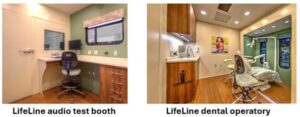
According to the Rural Health Transformation Program, expanding access to primary and preventive care requires bringing services directly into the community through delivery models like mobile health clinics. By leveraging an integrated rural health network, health systems can strategically align service lines to address local health needs, optimize patient volumes, and ensure long-term sustainability. Non-traditional models, including mobile health units, play a vital role in this strategy by extending care to underserved populations and offering both general health services and specialty programs vital to rural communities, such as maternal health, mammography, occupational health, diabetes testing, dental health, and audiology. Infrastructure investments that support these mobile and flexible care options are essential to meeting the evolving needs of rural communities.
Higher poverty rates, limited insurance coverage, and lower health literacy often mean rural residents face worse outcomes for chronic and preventable diseases. These realities underscore the importance of meeting patients where they are, literally and figuratively. By bringing care directly into underserved communities, barriers to access can be reduced while fostering greater trust and engagement in healthcare for rural residents.
Rural hospitals nationwide are closing under the weight of financial pressures, aging facilities, and outdated infrastructure, leaving entire communities without reliable access to care.
This is addressed with purpose-built mobile clinics designed to be a smarter, more sustainable alternative. With innovative care delivery models and cost-effective operations, healthcare organizations can extend services, strengthen community presence, and ensure no patient is left behind, no matter how limited the brick-and-mortar options may be.
With lower costs and accessible preventive services, mobile clinics reduce reliance on emergency rooms and costly hospital stays. Many also guide patients through insurance and payment options, helping families navigate a system that often feels out of reach.
Though the new bill may reduce funding for Medicare and Medicaid, and some mobile health clinics, particularly those affiliated with Federally-Qualified Health Centers (FQHCs) who depend on that funding, it is not their sole revenue source. Most mobile clinic programs rely on a diverse mix of funding, including philanthropy, federal and state grants, and private insurance payments.
Centers for Medicare & Medicaid Services (CMS) unveiled details on how states can apply to receive funding from the $50 billion Rural Health Transformation Program, established under the Working Families Tax Cuts Act. The program represents a significant federal investment aimed at helping states strengthen rural health care by modernizing infrastructure, expanding access, improving care quality, and advancing long-term sustainability.
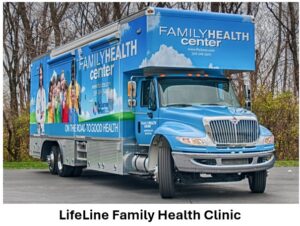
For many children in rural communities, accessing health care remains a serious challenge. In the past decade, nearly 20 percent of hospital pediatric units across the United States have closed. For example, at Intermountain Primary Children’s Hospital in Salt Lake City, 30 percent of patients travel three hours or more to receive the pediatric specialty care they cannot find closer to home.
The consequences are profound. Rural children face higher rates of medical complexity, more costly hospitalizations, and more frequent readmissions compared to their urban peers.
Many children’s hospitals are working to change this reality by extending the reach of pediatricians and subspecialists directly into the communities where children live, bridging the distance between care and home with mobile clinics. And leveraging virtual care in mobile clinics allows pediatric emergency, critical care, and trauma specialists to collaborate with remote physicians in real time. This includes strategic partnerships that bring pediatric surgeons into rural hospitals to perform complex procedures.
Workforce shortages remain one of rural America’s most significant healthcare hurdles. Mobile clinics close the gap by bringing full care teams such as physicians, nurse practitioners, and community health workers into underserved areas. Many are also equipped with telehealth, extending access to specialists who otherwise would not be available locally.
Mobile clinics represent a shift in how we think about access, equity, and community-centered care. Flexible, purpose-built healthcare delivery can transform rural health systems. By eliminating barriers, expanding reach, and building trust, mobile clinics aren’t just filling gaps in care; they’re shaping the future of healthcare delivery.
At LifeLine Mobile, we don’t just build solutions; we partner with healthcare organizations to rethink how care is delivered in rural America. From mobile medical units that serve as fully-equipped clinics, to telehealth-enabled platforms that overcome geographic barriers, our goal is to ensure that no community is left behind.
The challenges are real, but so are the opportunities. Together, we can transform rural healthcare into a system that is more accessible and resilient.