



The Centers for Medicare & Medicaid Services (CMS) has announced a landmark $50 billion investment to strengthen and modernize health care in rural communities across all 50 states. The funding is being distributed through the Rural Health Transformation (RHT) Program, a new initiative established under the Working Families Tax Cuts legislation.
Starting in 2026, each state will receive an initial CMS award averaging $200 million. This federal investment is intended to expand access to care in rural areas, bolster the rural health labor force, upgrade facilities and health technologies, and advance innovative care models that deliver high-quality, reliable services closer to where people live.
According to the U.S. Department of Health and Human Services, more than 60 million Americans living in rural areas deserve equal access to quality health care. This investment is designed to empower hospitals, clinics, university hospitals, and health professionals to lead their communities’ health care efforts, ensuring rural residents can access affordable care close to home while reducing unnecessary administrative barriers.
CMS officials described the announcement as a significant turning point for rural health nationwide. With this investment, states are advancing bold, innovative plans to expand access to care, strengthen health care workforces, modernize care delivery, and support rural communities that play a vital role in the nation’s economy. CMS emphasized its commitment to partnering with each state to turn these plans into lasting healthcare advancements for rural communities.
As part of the RHT Program application process, states submitted project abstracts outlining their proposed initiatives. Each abstract provides a one-page summary describing the project’s purpose and anticipated outcomes for public information sharing. Any budget figures included in these abstracts are illustrative and hypothetical only and do not represent final award amounts or approved uses of funds.
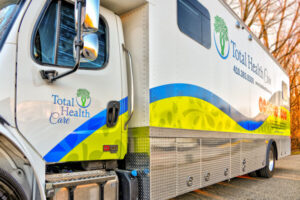 Across the country, states are reimagining how health care reaches rural, frontier, and Tribal communities. Faced with workforce shortages, geographic isolation, and persistent disproportion in health services, states are investing in mobile care, telehealth, digital infrastructure, and community-based delivery models that bring services directly to where people live, work, and learn.
From mobile cancer screening vehicles to regional telehealth hubs and community paramedicine, these initiatives signal a shift away from dependence on traditional brick-and-mortar care toward flexible, locally responsive systems designed for long-term sustainability.
Many states are tackling care deserts, especially for maternal health, cancer screening, dental care, and preventive services, by expanding mobile and regionalized care delivery. (Figures below are based on individual states’ requested amounts and/or amounts awarded for 2026 only. $1 billion is anticipated for each state over 10 years.)
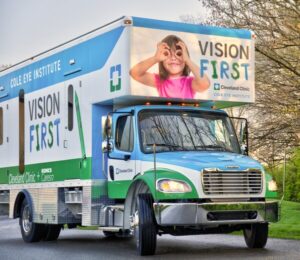
These models emphasize early diagnosis, prevention, and continuity of care, especially in communities where accessing a hospital or specialist can require hours of travel.
Telehealth remains a cornerstone of rural health transformation, with states investing heavily in connectivity, shared data systems, and remote patient monitoring.
These efforts reduce reliance on scarce physical workforce capacity while improving coordination, efficiency, and access to specialty care.
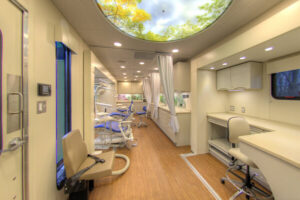
States are also strengthening the human side of rural health systems through mobile health clinics, workforce investments, training, and community-based partnerships.
Across nearly every state plan, Tribal Nations and Tribal Health Organizations play a central role.
These examples emphasize a broader shift toward community-led solutions that respect cultural context and local priorities.
While each state’s approach is tailored to its geography and population, the direction is clear: rural health care is no longer confined to hospitals and clinics. Instead, states are building networks of mobile health units, telehealth hubs, interoperable data systems, and community partnerships that bring care closer to home.
These investments are not just about access; they are about resilience, focusing on innovation, and designing health systems that work for rural America today and for generations to come.
While LifeLine Mobile does not offer direct financing, organizations may be eligible for public grants and other funding opportunities to help cover the cost of purchasing a mobile health clinic. Funding availability and eligibility requirements vary by program.
While LifeLine Mobile does not necessarily offer direct discounts for nonprofit organizations or community health programs, funding may be available through grants and philanthropic organizations. These opportunities can help eligible organizations offset the cost of purchasing a mobile health clinic.
While LifeLine Mobile does not offer direct financing, organizations may be able to secure funding through public grants, philanthropic organizations and hospital-at-home funding programs. These opportunities can help eligible healthcare providers and community organizations offset the cost of purchasing a mobile medical unit.