



Mental health and well-being have emerged as one of the most urgent public health challenges of our time. Rapid socioeconomic shifts, constant technological change, and evolving lifestyles are reshaping how people live, work, and connect. In the process, they are placing unprecedented strain on psychological health.
Urbanization, digital dependence, social isolation, and economic pressure have become everyday stressors. The result is a steady rise in anxiety, depression, burnout, and substance use disorders. The COVID-19 pandemic further exposed deep vulnerabilities across communities, while ongoing global conflicts have contributed to increased rates of post-traumatic stress disorder (PTSD). Together, these forces have pushed mental health beyond a personal issue and firmly into the realm of a national public health priority.
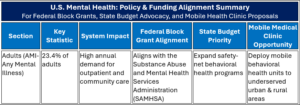
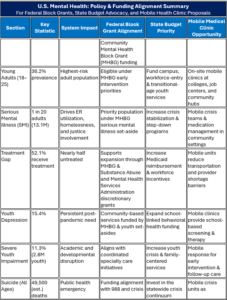
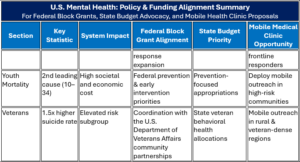
Mental illness is far more common than many people realize, and it often begins early in life.
One of the most persistent and damaging barriers to treatment is stigma. It operates quietly but powerfully, shaping attitudes, policies, and personal decisions.
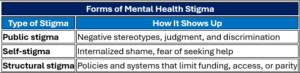
Stigma reinforces the harmful belief that people should simply “snap out of it.” That belief fuels silence, delays care and often pushes individuals to seek help only once a crisis has already escalated.
Breaking this cycle starts with open conversation, accurate education, and person-first language. Treating mental health is just as critical and should be handled with the same urgency, funding, and visibility as physical health. When stigma fades, access expands, and outcomes improve.

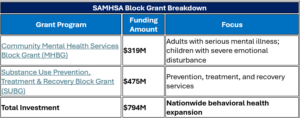
The Substance Abuse and Mental Health Services Administration (SAMHSA) has released $794 million in block grant funding to states and territories. This is a pivotal opportunity to expand access to behavioral health care.
When directed toward proven, community-based solutions like mobile medical clinics, these funds can dramatically close access gaps.
“Local communities need our support to battle the national mental health and addiction crises. This critical grant funding provides support to clinics, practitioners, and community programs that millions of people depend on every day.”
— Christopher D. Carroll, SAMHSA Principal Deputy Assistant Secretary
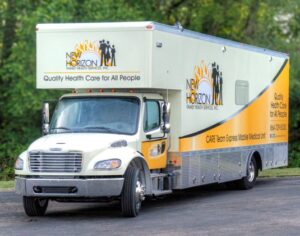
Mobile medical clinics offer a scalable, practical way to deliver behavioral health services where they are needed most — directly in communities.
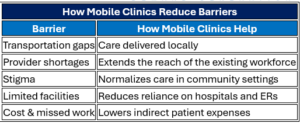
Mobile clinics serve urban neighborhoods, rural towns, schools, shelters, tribal lands, and community gathering spaces, meeting people where they live rather than asking them to navigate complex systems.

For rural and underserved communities, mobile health clinics are often the difference between care and crisis.
In areas where hospitals are distant, providers are scarce, and transportation is limited, mobile clinics bring screenings, counseling, medication management, and substance use services directly to patients. This approach reduces stigma, lowers costs, and supports earlier intervention.
Equally important, mobile clinics build continuity and trust. Regular visits establish relationships that help identify mental health needs before they escalate into emergencies, shifting care from crisis response to prevention.
As mental health needs continue to rise, mobile medical clinics represent one of the most effective tools available to states and communities. They extend care beyond walls, reduce disparities, and ensure that geography is no longer a barrier to mental well-being.
With SAMHSA funding now reaching every state and territory, policymakers and health leaders have a critical opportunity. By prioritizing mobile behavioral health services, they can expand access quickly, strengthen local systems, and ensure no community is left behind.
To learn more, check out our white paper: 6 Key Reasons To Be On The Road With Your Behavioral Programs