



Access to quality health care shouldn’t depend on a ZIP code. That’s why mobile health clinics are transforming how and where care is delivered. Mobile clinics that focus on pre-, peri- and postnatal care bring essential primary and preventive treatment directly into communities, helping moms, babies, and families thrive.
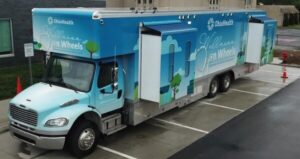
Mobile health clinics are a trusted community resource, providing trauma-informed, culturally-sensitive care, tailored to women and families. They offer services from prenatal checkups and postpartum care to family medicine, health screenings, vaccinations, and education. Literally meeting people where they are, from impoverished urban neighborhoods to rural communities that do not have reasonable access to care.
By combining compassionate care with mobility and accessibility, mobile health breaks down barriers that too often stand between expecting moms and the support they deserve. Healthy moms and babies start with healthy communities, and mobile health clinics make that a reality.
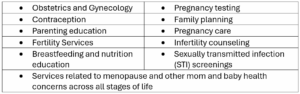
These specialty mobile medical clinics are staffed by qualified clinicians who deliver essential mom and baby health services that include:
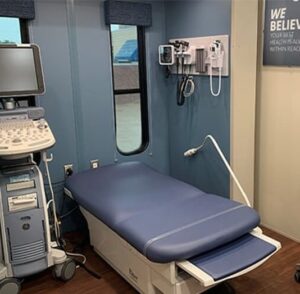
Early prenatal care plays a vital role in ensuring healthy pregnancies. Unfortunately, many expectant mothers face barriers like a lack of transportation, limited clinic hours, or provider shortages due to hospital closures. Mobile medical clinics address the challenges of the initial screening and follow-up by bringing these essential services directly to patients, which include:
Early and consistent intervention with mobile clinics reduces the risks of preterm birth, low birth weight, and untreated pregnancy complications.
Just before, during, and immediately after childbirth are some of the most delicate times for both mother and baby. Timely monitoring and education provided by mobile health clinics can make all the difference in preventing complications like preeclampsia, hypertension, and postpartum hemorrhage.
Mobile perinatal care offers consistent, hands-on support, such as:
Because these mobile health units work in close partnership with hospitals and other public health departments, they help ensure mothers experience a smooth, coordinated transition from prenatal care to childbirth and postpartum recovery.
The long-term health of mom and baby extends well beyond birth.
Most mobile clinics that offer postpartum care, monitor blood pressure, review bloodwork, and check C-section stitches. Clinicians provide guidance on postpartum depression, which is often not effectively diagnosed, breastfeeding, safe sleep, and other essential tips to help keep moms and babies healthy and safe.
Grants to lower or reduce infant mortality with mobile clinics that provide mom and baby services may operate independently or in partnership with health systems, nonprofits, or public health departments. Funding sources can include insurance reimbursements, patient payments, grants, philanthropy, and federal programs.
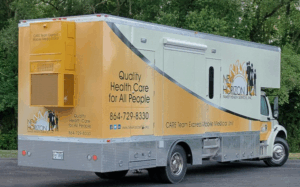
Investment in mom and baby health saves lives and reduces long-term healthcare costs.
Mobile health clinics represent a highly cost-effective and compassionate way to ensure mothers and babies get the care they need, regardless of where they live.
Access to quality care is one of the most critical factors in keeping moms and babies healthy. That’s why mobile health clinics are so crucial for many women, especially in underserved urban and rural communities. But launching or expanding a mobile mom and baby health clinic requires investment in vehicles, equipment, staffing, and operations. Fortunately, new opportunities are emerging at the federal, state, and community levels.
Efficient collaborations among health systems, nonprofits, and federal and local governments can leverage multiple funding sources to sustain mobile mom and baby care over time. As available grants to lower or reduce infant mortality expand, communities have a powerful chance to reimagine maternal health access, one mile, one visit, and one healthy start at a time.
Bringing maternal care to rural and urban communities is often vital to the very survival of moms and babies. This is particularly true when untreated cases can result in miscarriage, stillbirth, maternal mortality, or a higher risk of Sudden Infant Death Syndrome (SIDS).
Mobile mom and baby health clinics represent a powerful model for delivering prenatal, perinatal, and postpartum care that is flexible and deeply patient-centered. By meeting women where they are, these clinics remove barriers to care and help create healthier beginnings for mothers, babies, and families.
As more communities embrace mobile health clinic innovations, the advantage of quality maternal care , easily accessible to the patient, is clear.
Download our white paper to learn about Saving More Lives and Growth Opportunities for Health Systems with Mobile Mammography Programs